House demolition cost · Broward County
What decides the cost of a house demolition in Broward County
No honest single figure covers tearing down a Broward house. Two homes on one street can differ in structure, asbestos, septic and access. Here is what moves the cost, and what to send us for a written quote.
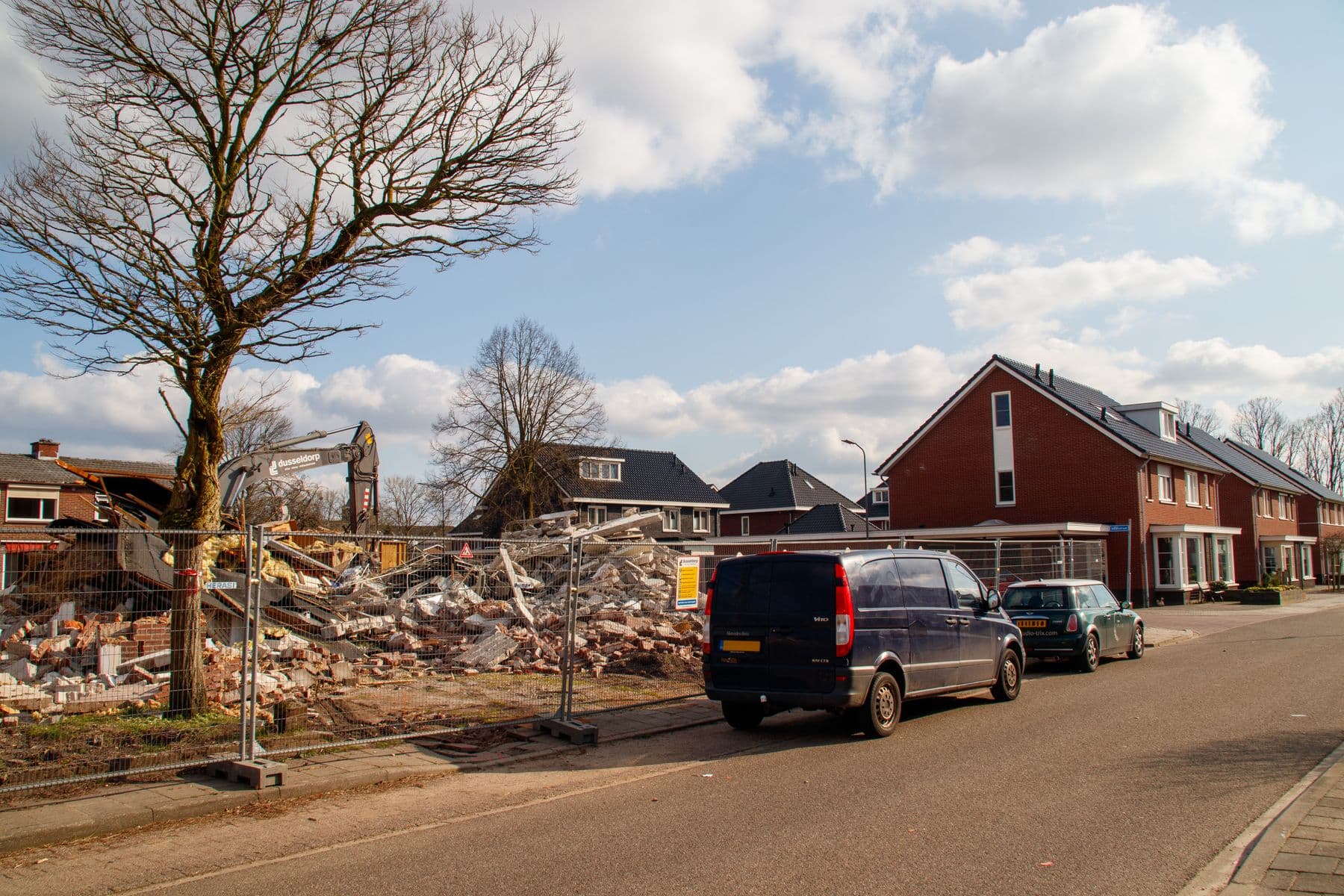
Why we quote the house, not a rate
A teardown quote is built from the house, the lot and what you plan to do next. A buyer who wants a clean pad, a builder who needs every footing out, and an owner who only needs the structure gone are asking for three different jobs on the same address.
The eleven factors below are the ones that change our quote on Broward lots. Some are set by the house itself. Some are set by the city that holds the parcel. A few are choices you make, and those are worth deciding before the walk-through.
The cost drivers
Eleven things that move the quote
1. The house: concrete block or wood frame, and how big
Much of Broward's older housing is concrete block, often listed as CBS. Block comes down as heavy masonry, and the load is mostly block, concrete and reinforcing steel. A wood-frame house is lighter, but its debris is more mixed: lumber, drywall, roofing and insulation that cannot go to a concrete recycler.
Square footage and a second story add volume to load and haul. Additions from a later decade are often tied into the original walls without drawings, and we look for them on the walk-through.
2. The asbestos survey, and what it turns up
Mid-century houses can hold asbestos in vinyl floor tile, mastic, popcorn ceilings, cement siding and pipe wrap. An independent licensed consultant tests before demolition. When the report is clean, the survey is the only asbestos cost. When it finds regulated material the work will disturb, a licensed abatement firm removes it first, and that is a separate line.
The federal notice rule generally leaves out a stand-alone home of up to four dwelling units, with conditions. Many Broward cities still ask for the county's asbestos statement in the permit file. Romco coordinates the consultant and the abatement firm; we are not an abatement contractor.
3. Which city issues the permit, and its checklist
Broward has 31 municipalities, each with its own building department, and unincorporated parcels go to the county's Building Code Division. The paperwork follows the parcel. Fort Lauderdale, for one, wants a dewatering affidavit and a hold harmless agreement alongside the utility letters.
Some parcels add a layer. A designated historic district such as Sailboat Bend needs a Certificate of Appropriateness before the permit is reviewed, and a recorded Notice of Commencement is required above each city's value threshold. Each city sets its own fees.
4. Utility disconnects: FPL, gas and water
Before most Broward cities issue a full demolition permit, they want written proof that service is off: an FPL disconnect letter, a gas letter where the house has gas, and a water meter removal letter from the water provider. The utilities work to their own schedule.
Air-conditioning units need their refrigerant recovered by a licensed, EPA-certified contractor before they come out. A letter that arrives late does not add work, but it holds the whole file, and time on a job is part of what it costs.
5. Septic tank or sewer cap
A house on sewer needs its lateral capped by a licensed plumber. Some Broward neighborhoods are still on septic, and there the tank is abandoned or removed by a licensed septic contractor. That work follows the state septic rule, carries a permit from the county health department office, and has its own inspection.
If you are rebuilding, this matters twice. A tank left in the ground can undermine a new foundation, so a builder will usually want it out rather than abandoned in place.
6. The pool behind the house
A pool is a job inside the teardown. A partial fill-in breaks down the top of the wall, cracks the floor so water drains through, then fills and compacts the shell. It costs less, and the shell stays buried. A full removal hauls the whole shell away and fills the hole in compacted lifts, meaning thin layers packed one at a time.
Groundwater sits close to the surface here, so draining is timed with the break-out. If anything will be built over the pool, say so, because the engineer will ask which option was used.
7. The slab and the footings
Whether the slab and footings come out, and how deep, is a scope choice. A lot going on the market may only need the house removed and the ground graded. A knockdown-rebuild usually wants everything out so the new foundation is designed for real ground.
Below most Broward slabs is fill over sand and porous limestone, with the water table close. Digging out deep footings can leave a hole that takes on water and needs compacted backfill. The removal depth is written into the quote.
8. The driveway, the patio and the apron
A driveway can be a thin plain slab or a thick one with mesh and rebar, and thickness sets the weight and the trucking. The apron and any sidewalk piece sit in the public right-of-way, so removing them usually needs a right-of-way or engineering permit from the city, separate from the demolition permit.
Keeping the driveway for the builder's trucks is a common choice. If it stays, we protect it during the work.
9. Trees on the lot
A demolition permit does not cover trees. A tree that has to come out needs its own permit, from the city or, in unincorporated Broward and cities without equally strict rules, from the county's Tree Preservation Program. Removal usually brings replacement or mitigation.
Trees that stay may need protection barricades. Fort Lauderdale inspects those before work starts. Tree removal is permitted work that we coordinate, and it is quoted as its own item.
10. Access, lot shape and the neighbors
A wide lot with a clear driveway lets the machine and trucks in without fuss. A narrow lot, a canal lot that ends at a seawall, a house behind a screen enclosure, or a street where trucks must stay off the swale takes more planning and more hours on site.
Houses sit close together on most Broward streets. Fences, landscaping and anything else that stays is protected, dust is kept down with water, and the house is brought down inward.
11. Debris: sorting, hauling and recycling
Disposal is set by weight and by mix. Clean concrete and block generally go to a recycler to be crushed into aggregate, steel goes to a metal recycler, and mixed debris goes to a disposal facility at a higher rate. We sort on site where we can.
Some cities choose the hauler for you: Pembroke Pines and Miramar require demolition debris to go through the city's franchised hauler. Asbestos waste, if there is any, leaves separately with the abatement firm.
What sets the timeline
On a house teardown, most of the calendar is paperwork, not machine time. Where the county asbestos notice applies, it goes in at least ten working days before work starts. Sunshine 811 needs at least two full business days before digging, and it counts demolition as digging. The permit then waits on the last disconnect letter and on the city's review.
We do not promise a finish date before those facts are known. Once they are, you get the sequence with each dependency named.
Send photos for a written quote
Send the address and photos of the house from the street and from the back yard. Add what you know: block or wood frame, sewer or septic, whether there is a pool, which trees and how much of the driveway you want to keep, and whether you plan to rebuild or sell.
We usually walk the lot before the quote is final. The quote is written from the site and your photos, with each part named, never from a square-foot rate.
Questions
About house demolition cost
How much does it cost to demolish a house in Broward County?
It depends on the house and the lot, so we quote each one instead of publishing a figure. The main drivers are block or wood-frame construction, size, the asbestos survey result, a sewer cap or septic abandonment, whether the pool, slab and driveway come out, trees, access, and where the debris goes. Send the address and photos and we will write a quote.
Why not quote a house teardown by the square foot?
Square footage misses most of what changes the work on a Broward lot: a septic tank, a pool behind the house, asbestos in the floor tile, an apron in the right-of-way, or a street where trucks cannot use the swale. Two houses of the same size can need very different jobs.
Are the asbestos survey, septic work and permit part of the quote?
The quote names each part. The asbestos consultant and any abatement firm can work inside our scope or under their own contracts, whichever you prefer. Septic abandonment, the sewer cap and the disconnects are licensed work by others that we coordinate, and we file the demolition permit as the contractor of record.
Does leaving the slab or the driveway lower the cost?
Usually, because less concrete is broken and hauled. The trade-off is what stays behind: a builder may want the slab and footings out later anyway, and a buyer may ask about them. Tell us whether you are selling or rebuilding, and the scope follows that.
Sources
Where these rules come from
Any type, any size, anywhere in Broward County
Send the address and what has to go. We will price the work.
Romco Builders is a licensed Florida general contractor, headquartered in Fort Lauderdale. One interior wall or a whole building: every job gets a written scope and a quote.